


Osteochondrosis is one of the diseases of our time.A sedentary lifestyle and constant nervousness don't just go away without a trace.Symptoms of this disease can be observed in almost everyone.How to identify hidden diseases and seek help in time?
Osteochondrosis is a physiological process that everyone will experience throughout their lives.The symptoms and treatment methods of cervical osteochondrosis are diverse, so it only becomes a disease when certain factors are combined under certain conditions.The disease is characterized by localized changes in cervical vertebrae bone tissue due to calcium deficiency.Calcium becomes scarce, the tissues acquire a spongy structure, become brittle, fragile and perform the main functions of bones.
Symptoms of cervical osteochondrosis
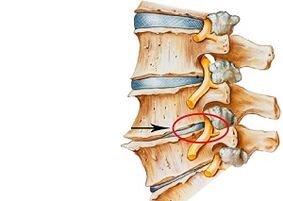
Cervical osteochondrosis causes a disruption in the blood supply to the brain.Therefore, almost all patients complain of similar symptoms:
- Headache, dizziness, tinnitus;
- Pain occurs in the shoulders, neck, and chest;
- Certain parts of the body (hands, fingers) become numb;
- Weakness in the arms and legs;
- Psychological symptoms - unexplained mood swings and irritability;
- In difficult cases, vision and hearing are reduced.
Symptoms are varied and individualized, making it difficult to identify cervical osteochondrosis based solely on the patient's complaints.Cervical spine disorders can be diagnosed with MRI, computed tomography, and X-rays.Based on the findings, changes in the spine can be seen.The diagnosis of cervical osteochondrosis can only be made after taking into account all complaints.
Symptoms and treatments vary depending on the location of cervical osteochondrosis.Osteochondrosis can be divided into three broad categories based on where exactly the change occurs and how it affects the central nervous system.These breeds have different symptoms and therefore different treatments.
- first group.Damage to the peripheral nervous system.Changes in the vertebrae directly affect the nerve endings (roots).Often referred to as cervicosternal osteochondrosis with radiculopathy, it has the most obvious symptoms:
- The pain spreads from the neck area to the shoulder area.
- Neck asphyxia syndrome, tachycardia, heart pain.
- Creaking, noise, crackling sounds when turning the neck.Learn how to exercise to strengthen neck muscles with osteochondrosis.
- Persistent pain in the back of the head.
- As circulation deteriorates, the hands become pale, cold, and the fingers become numb.
- Joint pain.
- Group 2.The entire spinal cord is affected, and the disease manifests itself by disrupting its entire function.The symptoms are as follows:
- Decreased muscle tone in the legs and arms.Numbness in the legs, fatigue quickly, and difficulty walking and standing are caused by Semiconductor Disorder Syndrome.Blood flow to the lateral columns of the spinal cord is poor.
- Myelopathy develops in the affected area.Affects limb dysfunction.
- Group 3.Brain function is disrupted due to insufficient blood supply to the brain.Characteristic symptoms vary:
- hypothalamus.A syndrome marked by hypothalamic dysfunction.Involves neurological symptoms.Patients often experience unreasonable fatigue, irritability, and sudden mood swings.People with this syndrome complain of poor sleep quality, resentment, unfounded fear, and anxiety.Physiological changes include: sweating, pale face, cold palms, and increased blood pressure.
- Descending Syndrome.People with this type of cervical spondylosis often faint for no apparent reason.The cause is vasospasm.
- Vestibular stem.The syndrome is characterized by frequent dizziness.Due to insufficient blood flow, the function of the vestibular apparatus is disturbed.Nausea sometimes occurs, leading to vomiting.
- Cochlear trunk.Ringing and tinnitus are called this syndrome.Possible ear congestion or hearing loss.It can be difficult to relate these symptoms to cervical osteochondrosis, let alone initiate the correct treatment
- Throat.The syndrome is accompanied by throat discomfort.Difficulty swallowing and voice becoming hoarse.Painful symptoms such as dryness, itching, and pain in the throat occur.
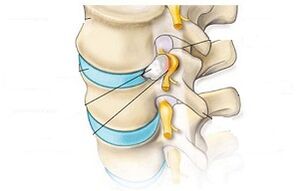
This osteochondrosis may be the cause of torticollis
Characteristics of the treatment of symptoms of osteochondrosis associated with nerve root syndrome
In addition, cervical radiculopathy deserves attention and its symptoms should be considered in more detail.Their presentation is often confused with conditions unrelated to osteochondrosis.Treatment was ineffective and the patient continued to experience pain and his condition worsened.A wrong diagnosis can sometimes be worse than the disease itself.Not only do prescribed treatments not help, they weaken perfectly healthy organs.The development of osteochondrosis of the cervical spine can lead to the appearance of so-called radiculopathy syndrome.
The main cause is compression of nerves, especially the nerve roots in a certain part of the spine (cervical, thoracic, vertebrae).
This cervical spine syndrome is characterized by:
- Pain when turning the neck or trunk.Occurs after prolonged monotonous body postures (sleeping, prolonged sitting) and sudden head movements.
- Numbness and "goosebumps" in the occipital area.
- Headaches come in different forms: throbbing headaches, short-term severe headaches, and persistent headaches.This can cause dizziness, fainting, and nausea.
- There may be some sagging of the muscles in your jaw.
- Along with frequent pain, a weakening of the tongue sounds is observed, and speech defects develop.
- The pain gradually moves from the neck to the shoulders, forearms, and hands.Numbness in the fingers, discomfort when raising the arm, pain in the joints.
Typically, radiculopathy in the cervical spine will migrate smoothly to the thoracic spine.In cervicothoracic osteochondrosis with radiculopathy, the pain is acute, transient, and manifests in the visceral organs.
The clinical manifestations are as follows:
- Pain in shoulder blades, lower ribs, and armpits.These areas are numb.
- There is a tingling sensation in the stomach, intestines, and subcostal area.Frequent observation of this syndrome can lead to misdiagnosis of gastrointestinal diseases.
- Numbness along the back wall of the spine from the belly button to the groin can cause a feeling of heaviness in the stomach.
- Dry throat.
Radical changes can lead to the main syndrome - a disorder of the bone tissue that causes irritation of the roots of the chest or diaphragm muscles.Signs of its occurrence are: heart pain of varying duration, from sharp stabbing pain to prolonged pain, tachycardia, shortness of breath.These symptoms exactly duplicate those of angina.If you treat it, the result will be zero.Furthermore, patients with this syndrome have normal electrocardiograms and no other signs of cardiac disease other than pain are observed.Therefore, drugs with coronary effects are ineffective.
Treatment of cervical osteochondrosis
Effective treatment is complex and must be carried out not only during the exacerbation of the condition.
drug treatment

- Pain syndromes can be relieved with analgesics and other analgesics.
- For severe pain, anti-inflammatory medications are needed.
- Topical pain relievers in the form of warming ointments and gels can be helpful.
- If reference muscle cramps occur, take a muscle relaxant.
- Prescription drug to improve cerebral circulation in cervical osteochondrosis.
- In medical practice, block painkillers are also used.
- If necessary, anticonvulsant medications may be administered.
- For psychological disorders, antidepressants, sedatives, and insomnia medications can be useful.
In addition to drug treatment, the following methods also have quite positive effects:
- massage,
- therapeutic exercises;
- electrophoresis;
- Wearing a bandage.
The main treatment is surgical removal of hernias and other spinal defects.